

 See My Latest Article on HelloNation
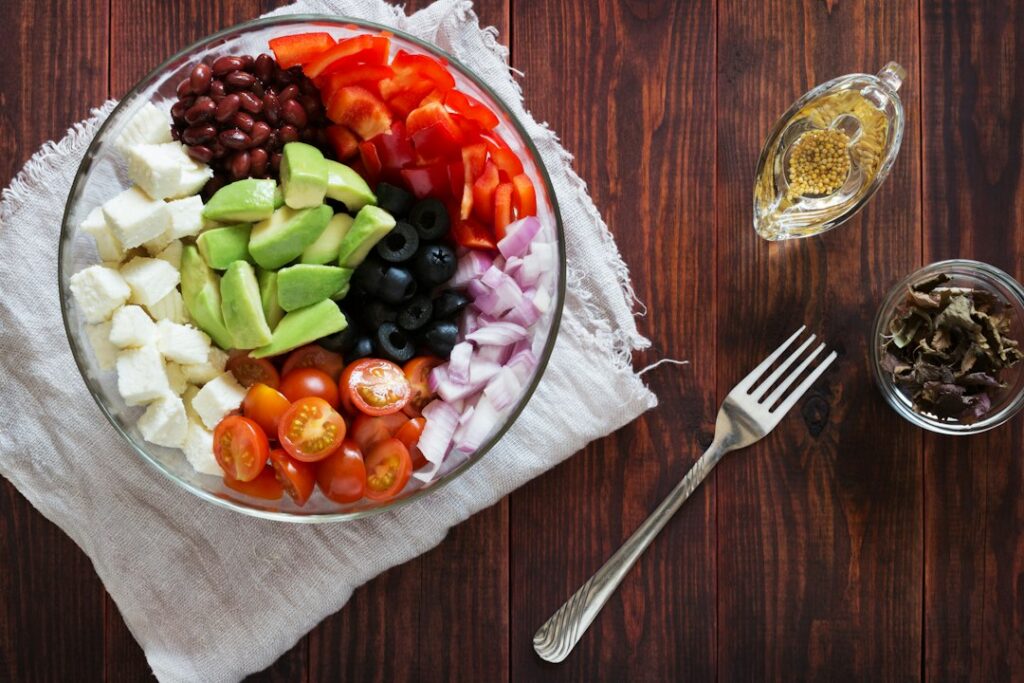
What is the Mediterranean diet?
The Mediterranean diet is not a rigid menu or short-term weight-loss program. It is a flexible eating pattern built around vegetables, fruits, beans, lentils, whole grains, nuts, seeds, fish, olive oil, and other minimally processed foods.
Meals generally contain more plant foods and unsaturated fats, while processed meats, refined carbohydrates, added sugars, and foods high in saturated fat appear less often. Poultry, eggs, yogurt, and cheese may be included in moderate portions. Alcohol is not required, and anyone who does not drink should not begin for health reasons.
The pattern is associated with cardiovascular benefits because it changes the overall quality of the diet rather than focusing on a single “superfood.” The American Heart Association recognizes Mediterranean-style eating as one of several dietary patterns that can support cardiovascular health. ([ahajournals.org](https://www.ahajournals.org/doi/pdf/10.1161/cir.0000000000000462?utm_source=openai))
How does it affect the heart and blood vessels?
The Mediterranean pattern may help the cardiovascular system through several connected pathways:
- Improved blood lipids: Replacing butter, shortening, and fatty processed meats with olive oil, nuts, seeds, and fish can reduce intake of saturated fat and provide unsaturated fats.
- Better blood pressure support: Fruits, vegetables, beans, and whole grains provide potassium, magnesium, fiber, and other nutrients associated with healthier blood pressure.
- Improved blood sugar regulation: Beans, intact whole grains, vegetables, and nuts digest more slowly than refined starches and sugary foods.
- Lower inflammation: Plant foods contain polyphenols and other compounds that may influence inflammatory and oxidative processes involved in atherosclerosis.
- Healthier body weight over time: Meals rich in fiber and protein can improve fullness, although calories still matter.
These effects are not separate from one another. A meal of beans, vegetables, whole grains, and olive oil can provide fiber, minerals, plant compounds, and unsaturated fat at the same time.
What did the major research studies find?
The strongest widely cited cardiovascular evidence comes from the PREDIMED trial, a randomized study involving 7,447 adults at high cardiovascular risk but without cardiovascular disease at enrollment. Participants followed either a Mediterranean diet supplemented with extra-virgin olive oil, a Mediterranean diet supplemented with mixed nuts, or a comparison diet focused on reducing fat. The Mediterranean groups experienced fewer major cardiovascular events, particularly stroke, during the study period. ([nejm.org](https://www.nejm.org/doi/full/10.1056/NEJMoa1800389?utm_source=openai))
The original PREDIMED publication was later reanalyzed and republished after concerns about aspects of the randomization process. The reanalysis continued to support a cardiovascular benefit, although research reviews appropriately describe the overall certainty of evidence as varying by outcome and study design. ([pmc.ncbi.nlm.nih.gov](https://pmc.ncbi.nlm.nih.gov/articles/PMC6414510/?utm_source=openai))
This distinction matters. The evidence does not mean that a Mediterranean diet prevents every heart attack or replaces medication. It means that, for many adults, the overall pattern is a reasonable evidence-based way to reduce cardiovascular risk as part of a broader plan that may also include physical activity, sleep, blood pressure control, cholesterol management, and tobacco avoidance.
Which foods form the foundation?
A practical Mediterranean-style plate often includes:
- Half the plate as vegetables or a combination of vegetables and fruit
- A quarter of the plate as beans, lentils, fish, poultry, tofu, or another protein source
- A quarter of the plate as whole grains or starchy vegetables
- Olive oil, nuts, seeds, avocado, or another source of unsaturated fat
- Water or an unsweetened beverage
Common foods include leafy greens, tomatoes, peppers, onions, berries, citrus, oats, brown rice, barley, beans, lentils, almonds, walnuts, fish, and plain yogurt. Frozen or canned vegetables and beans can fit the pattern, especially when fresh food is less convenient or more expensive.
For residents in Naples, the climate makes chilled bean salads, fruit, vegetables, and seafood-based meals practical for much of the year. During hot, humid conditions, preparation methods such as steaming, grilling, or assembling no-cook meals may be more comfortable than relying on heavy fried dishes. Food safety still matters: seafood, dairy, and prepared foods should be refrigerated promptly.
Does the Mediterranean diet require olive oil, fish, or expensive specialty foods?

No. Olive oil is a traditional feature, but the broader principle is replacing less favorable fats with liquid plant oils and choosing minimally processed foods. Canola oil, unsalted nuts, seeds, and avocado can also provide unsaturated fats.
Fish is encouraged, particularly in place of processed or fatty meats, but a person can follow a Mediterranean-style pattern with beans, lentils, tofu, poultry, or other protein sources. Fish that is fresh, frozen, or low-sodium canned may all be useful options.
The diet also does not require imported ingredients, specialty products, or elaborate recipes. A simple meal of beans, brown rice, frozen vegetables, salsa, and olive oil can reflect the same principles as a more traditional Mediterranean dish.
What are common misconceptions?
“It is a vegetarian diet.”
Usually not. The pattern emphasizes plant foods but can include fish, poultry, eggs, yogurt, and modest amounts of cheese. Red meat and processed meat are generally less frequent rather than automatically forbidden.
“Unlimited olive oil is healthy.”
Olive oil is calorie-dense. Its fat profile is generally more favorable than butter or many solid fats, but large amounts can still contribute excess calories. Using enough to flavor and prepare food is different from treating it as a free food.
“Mediterranean means eating pasta every day.”
Pasta can fit, especially when portions are moderate and paired with vegetables, beans, fish, or another protein. Large portions of refined pasta with creamy sauces, processed meats, or little fiber do not represent the pattern particularly well.
“Red wine is necessary.”
It is not. Current heart-health guidance does not recommend starting alcohol for cardiovascular protection. Alcohol can raise risks for several health conditions and may interact with medications.
How can someone begin without changing everything at once?
A gradual approach is often more sustainable:
1. Add a vegetable or fruit to two meals each day.
2. Replace one processed-meat meal each week with beans, lentils, fish, or poultry.
3. Use whole-grain bread, oats, brown rice, or another intact grain more often.
4. Keep unsalted nuts or fruit available for snacks.
5. Choose water or an unsweetened drink more frequently than sugar-sweetened beverages.
6. Compare food labels for sodium, added sugars, and saturated fat when buying packaged foods.
People with diabetes, kidney disease, food allergies, swallowing difficulties, or medication-related dietary restrictions may need individualized adjustments. Anyone taking medication affected by vitamin K, potassium, sodium, or alcohol should avoid making major dietary changes without reviewing them with a qualified clinician.
A Mediterranean-style eating pattern works best when treated as a repeatable way of assembling meals—not as a perfect list of approved foods. Its potential cardiovascular value comes from the combination of higher-quality foods, healthier fat choices, more fiber, and fewer heavily processed products over time.