

 See My Latest Article on HelloNation
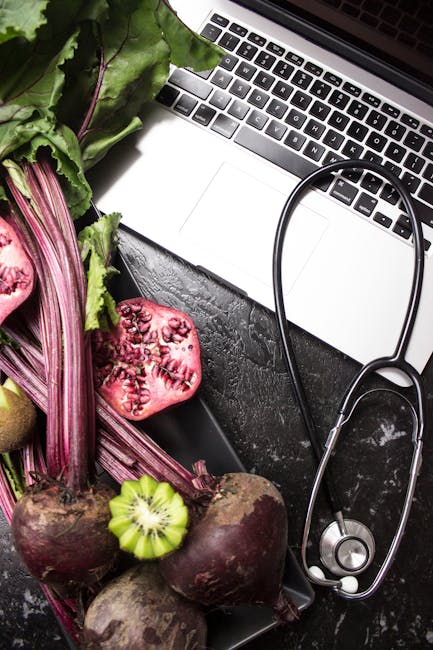
Why Are Plant-Based Diets Linked to Better Heart Health?
Plant-based diets emphasize whole grains, fruits, vegetables, nuts, seeds, and legumes, with little or no animal products. Studies show these diets are associated with lower risks of heart disease, hypertension, and stroke. Plant-based eating works by reducing intake of saturated fat and dietary cholesterol—two factors connected to heart risk—while increasing heart-protective fiber, antioxidants, and nutrients.
Locally, many residents wonder if eating less meat in a warm coastal climate is practical or beneficial. In fact, shifting toward more whole plant foods can be both accessible and sustainable in Naples, where fresh produce is available nearly year-round. Additionally, lighter meals in warmer weather can support comfort and hydration.
What Heart Benefits Can Local Residents Expect?
Plant-based diets may reduce blood pressure, lower LDL cholesterol, and decrease inflammation—three critical drivers of cardiac events. Some research also suggests improvements in blood sugar regulation and arterial function.
Key benefits often seen in communities prioritizing plant-forward patterns include:
- Less buildup of atherosclerotic plaque (blocked arteries)
- Fewer spikes in blood pressure, especially during hot, humid months
- More stable cholesterol levels, thanks to increased intake of soluble fiber from foods like oats, beans, and citrus
For those living in Naples, these benefits are especially relevant for adults who spend time outdoors, are physically active, or are managing chronic health conditions that stress the cardiovascular system.
Are Plant-Based Diets All-or-Nothing for Heart Protection?
No, research does not show that going fully vegan or strictly vegetarian is necessary for most people to see heart health gains. Substantial improvement can happen by simply increasing the proportion of plant-based meals.
Locals can focus on:
- Swapping a few animal-based meals per week for plant-forward dishes
- Emphasizing fresh fruits and vegetables as sides or main components
- Gradually reducing processed meats and high-saturated fat dairy
Flexibility makes this approach practical for families and individuals who value tradition, convenience, or have cultural ties to certain foods.
What Local Foods and Dishes Work Well for This Way of Eating?
Naples residents have access to a variety of fresh, local produce and plant ingredients. Citrus, tomatoes, peppers, leafy greens, avocados, and beans can all make heart-healthy base ingredients for meals.
Examples of area-friendly dishes:
- Garden salads topped with beans, seeds, and local fruits
- Grain bowls featuring brown rice, roasted vegetables, and chickpeas
- Vegetable-based soups and stews, which are hydrating and filling after outdoor activity
- Simple wraps with hummus, leafy greens, and grilled veggies
Fresh herbs like basil and parsley, grown easily in home gardens or containers, add flavor without sodium or saturated fat.
What Should Residents Watch Out For When Shifting to Plant-Based Meals?
While plant-based diets offer many advantages, some misconceptions and practical challenges can arise:
- Not all vegetarian products are heart-healthy; many packaged meat substitutes are high in sodium or additives.
- Skipping animal products without finding alternative protein sources can lead to fatigue or nutritional imbalances.
- Some people mistakenly believe plant-based always means low-calorie or low-fat, which is not automatically true.
Look beyond the label:
- Focus on minimally processed foods—whole grains, legumes, vegetables, nuts, and seeds
- Aim for balanced meals with protein, complex carbs, and beneficial fats
- Read nutrition facts on plant-based packaged items, especially for sodium and added sugars
How Can Residents Make Plant-Based Eating Fit Naples Lifestyles?
Life in Naples often involves outdoor activities, social gatherings, and seasonal travel. Planning simple, flexible meals is key:
- Take advantage of area farmers’ markets or produce stands for fresh ingredients
- Pack easy snacks like fruit, nuts, or veggie wraps for days at the beach or on the go
- Incorporate plant-based side dishes into family meals, rather than overhauling traditions
During the hot season, cold salads, smoothies, and fresh fruit plates make appealing, hydrating choices.
Are Plant-Based Diets Safe for All Ages and Health Conditions?
For most healthy adults in Naples, plant-forward eating can be very safe and supportive of heart wellness. However, very restrictive diets or sudden dietary overhauls may not be right for everyone, especially children, older adults, or those with specific medical conditions.
A few considerations:
- Those on blood thinners may need to monitor vitamin K intake from leafy greens
- People with chronic kidney disease may have restrictions on potassium-rich plant foods
- Anyone with unusual symptoms—fatigue, easy bruising, dizziness—after major dietary changes should check with a medical provider
Most people can shift toward more plant-based meals safely by moving gradually, noting how their energy, digestion, and heart health respond.