

 See My Latest Article on HelloNation
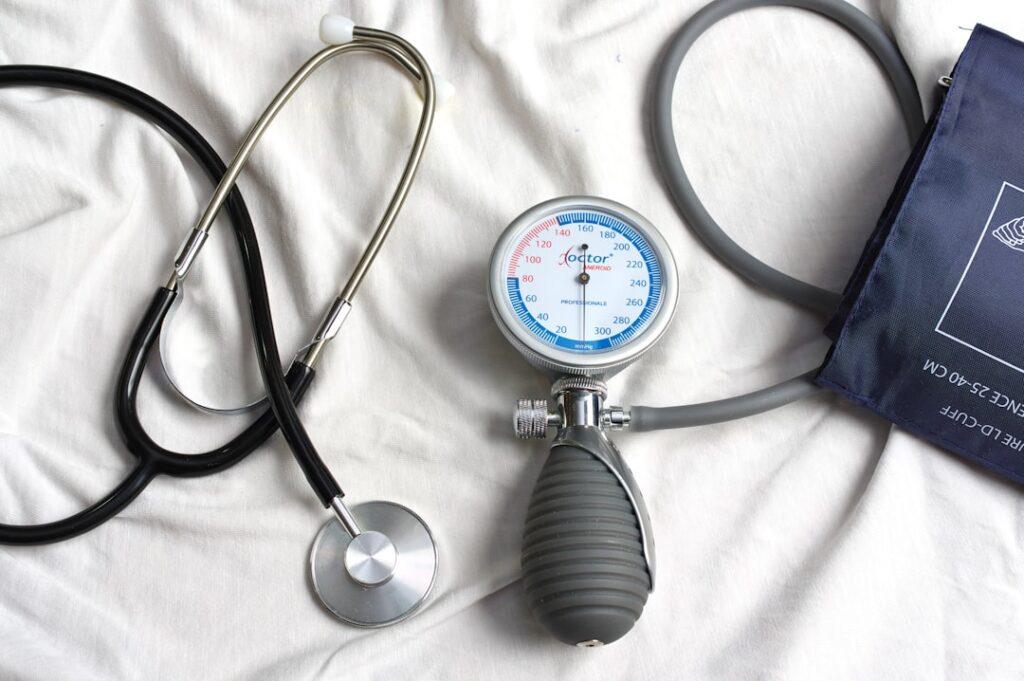
What Is High Blood Pressure and Why Does It Matter?
High blood pressure, also called hypertension, happens when the force of blood against artery walls is consistently too high. Even though it rarely causes symptoms at first, ongoing high blood pressure can quietly damage the heart, blood vessels, kidneys, and brain over time. In Naples, FL, where residents enjoy a subtropical climate and many lead active or retired lifestyles, understanding the risks and causes can help the community stay healthier as they age.
Why Does Blood Pressure Go Up?
Blood pressure rises when the heart pumps harder or blood vessels become narrower. This process is influenced by a complex mix of physical, environmental, and lifestyle factors. For many people in the area, a combination of genetics, everyday habits, and natural aging all play roles.
- The heart pushes blood through blood vessels with each beat.
- Blood vessel flexibility helps manage that pressure.
- Narrowed arteries or higher blood volume can make the pressure go up.
Is High Blood Pressure Mostly Genetic?
Family history has a big impact on individual risk. If parents or close relatives have struggled with high blood pressure, chances go up for other family members as well. However, genetics combine with lifestyle, so having relatives with hypertension does not mean it is unavoidable.
Many households in the region include multi-generational families, and it is common to see patterns of heart and vascular conditions run in families. This does not make high blood pressure inevitable, but does mean residents with a strong family history should be more mindful about their risks.
Does Salt Really Affect Blood Pressure?
Yes—too much sodium is a proven contributor. Many local diets include salt from packaged foods, added table salt, and restaurant meals. Because Naples has a year-round outdoor lifestyle, eating habits can include both home-cooked meals and more convenient foods that often have hidden salt.
- Processed and canned foods add sodium even if they don’t taste salty.
- Restaurant and takeout meals often use more sodium than home recipes.
- Regularly eating salty foods can lead to fluid retention, which raises blood pressure.
Not everyone in the area is equally sensitive to sodium. Older adults, people with chronic kidney disease, and certain ethnic groups are more likely to see increased blood pressure from salt.
Can Hot, Humid Weather Contribute?
Seasonal climate may play a subtle role. Naples experiences long stretches of hot, humid weather. Dehydration, heat exhaustion, and inadequate fluid intake are more common during the summer months or long periods outdoors.
- Dehydration can trigger the body to conserve water, raising internal pressure.
- Some blood pressure medications make people more prone to dehydration in hot weather.
- Sudden changes in weather can subtly influence blood vessel function.
Residents who work outdoors or exercise in the heat should be aware of fluid balance and not rely solely on thirst cues.
How Does Physical Activity Influence Blood Pressure?
Regular movement strengthens the heart and blood vessels, helping to keep blood pressure in check. In the city’s active communities and neighborhoods, some people enjoy walking, golfing, swimming, or biking year-round. Yet, physical inactivity remains common, especially for those with mobility or chronic health issues.
- Inactivity can stiffen blood vessels and reduce overall heart function.
- Lack of movement can increase body weight, another hypertension risk.
Consistent, moderate activity—even daily walking—can be enough to help many residents support better vascular health.
What Role Does Stress Play?
Ongoing stress prompts the body to release hormones that constrict blood vessels and raise heart rate. While Naples is known for its relaxing environment, residents are not immune from financial worries, family responsibilities, or seasonal disruptions (like hurricane threats).
- Chronic stress responses may cause blood pressure to remain elevated.
- Poor sleep, anxiety, or depression can also contribute over time.

Finding effective, healthy ways to cope—such as spending time outdoors, practicing gentle exercise, or connecting with neighbors—may help to ease stress levels and reduce its impact.
Are Medications or Health Conditions Involved?
Several types of medications and underlying medical conditions can contribute to high blood pressure. This is especially relevant for older residents and those living with chronic health concerns:
- Certain pain relievers, decongestants, and antidepressants may raise blood pressure.
- Kidney disease, adrenal disorders, thyroid problems, and sleep apnea are notable causes.
- Hormonal changes as people age, especially after menopause, can elevate risk.
Residents who see changes in blood pressure after starting new medications or dealing with health setbacks should speak with their healthcare provider about possible connections.
Does Weight Affect Blood Pressure?
Carrying extra body weight—especially around the midsection—pressures the heart and increases vascular resistance. In communities where active retirement and food-centered gatherings are common, it’s easy for gradual weight gain to occur.
- Even modest weight loss can have a notable effect on lowering blood pressure.
- Obesity can alter kidney function and hormone balance, compounding hypertension risks.
Maintaining a healthy balance between activity and nutrition is key for long-term heart health.
Could Drinking Alcohol or Smoking Be a Factor?
Both alcohol consumption and tobacco use are significant contributors to high blood pressure. Occasional indulgence typically has less effect, but regular or heavy use can accelerate vascular damage.
- Alcohol raises blood pressure with chronic use and may interact with medications.
- Tobacco causes blood vessels to constrict with every use, increasing pressure instantly.
Reducing or eliminating these habits supports better cardiovascular outcomes for individuals and the broader community.
—